 Get a Quote
 Application guide
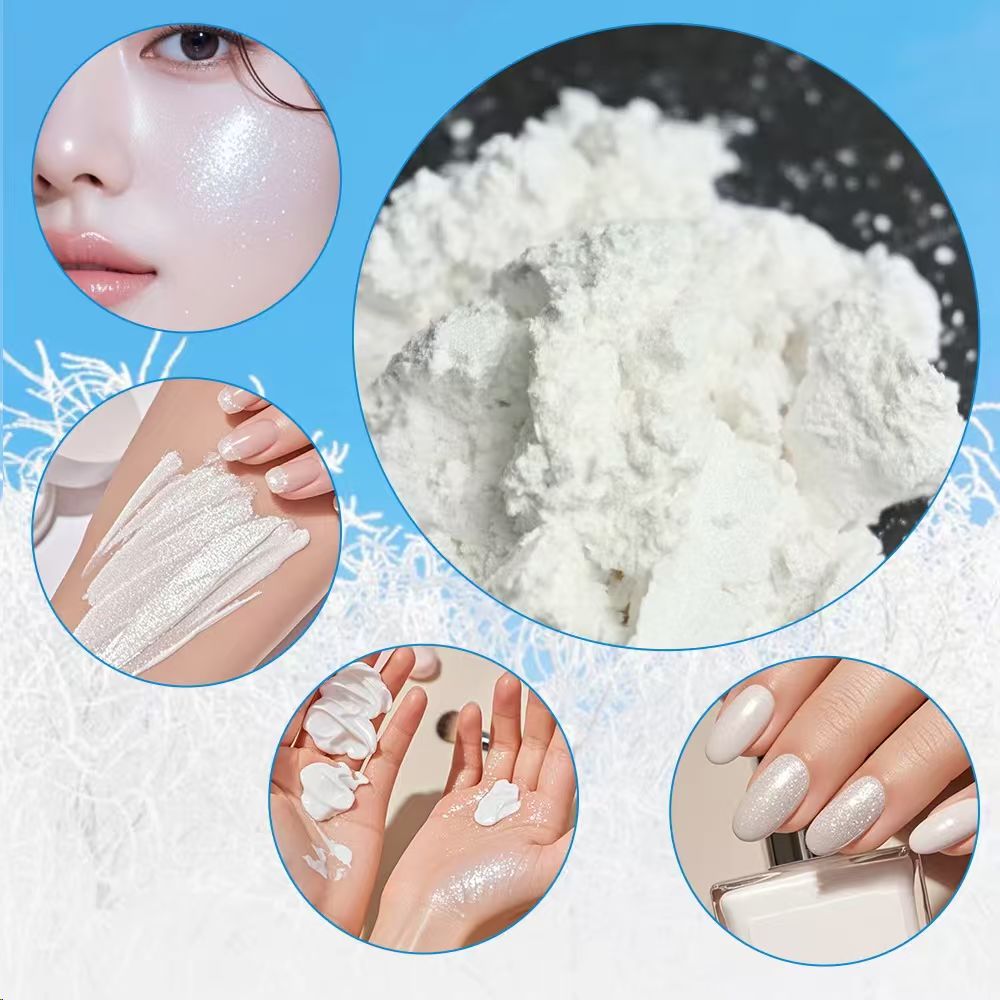
Pigments for Cosmetic Projects
A controlled selection path for cosmetic effect projects, led by documentation and formulation compatibility.
Where to start
Build the selection around the finished system.
Colour cosmetics and nail conceptsPearlescent and visual-effect developmentTexture and shade evaluationDocumentation-led supplier qualification
Product selection & starting guidance
Compare every pigment family.
These are formulation-screen starting points, not product specifications. Final loading depends on grade, binder, substrate, process, film build or part geometry. Confirm with representative trials and the final TDS/SDS.
| Product family | Relevant feature | Indicative starting range | How to use / validate |
|---|---|---|---|
| Mica Pearlescent Pigment | Pearlescent, satin and interference effects; catalogues include mica series for cosmetics-related projects. | 1–10% only for a confirmed suitable grade. | Obtain grade-specific documentation and complete formula compatibility work. |
| Photoluminescent Pigment | Industrial photoluminescent series are not promoted here as a default cosmetic ingredient. | No general cosmetic loading recommendation. | Request grade-specific documentation and regulatory review before consideration. |
| Reflective Powder | Reflective grades are primarily described for coating and marking selection. | No general cosmetic loading recommendation. | Do not assume cosmetic suitability; request exact-grade documentation. |
| Fluorescent Pigment | Catalogue grades are described by coating, ink and plastic processing needs. | No general cosmetic loading recommendation. | Do not assume cosmetic suitability; confirm with regulatory reviewers. |
| Metallic Pigment | Gold and copper effect products are described for decorative and industrial finish selection. | No general cosmetic loading recommendation. | Request grade-specific documentation before cosmetic evaluation. |
| Chameleon Pigment | Optical colour-travel pigments are described for coatings, plastics and decorative effects. | No general cosmetic loading recommendation. | Do not assume cosmetic suitability; evaluate only after documentation review. |
Practical workflow
Move from selection to trial.
- 01Identify target market, product category and required documentation first.
- 02Request confirmation for the exact grade: industrial suitability is not cosmetic suitability.
- 03Run compatibility, stability and shade trials in the complete formula.
- 04Release only after responsible teams complete safety, regulatory and finished-product assessment.
Technical note
Share the variables that affect your result.
For a useful grade recommendation, include substrate, formulation or polymer, application method, target visual effect, processing temperature, expected quantity and destination market.
Next step
Need a pigment plan for your cosmetics project?
We can help identify an initial product family and route you to the relevant catalogue and technical-document request.