 Get a Quote
 Application guide
Pigments for Plastics
Choose effect pigments around polymer type, processing temperature, part geometry and target appearance.
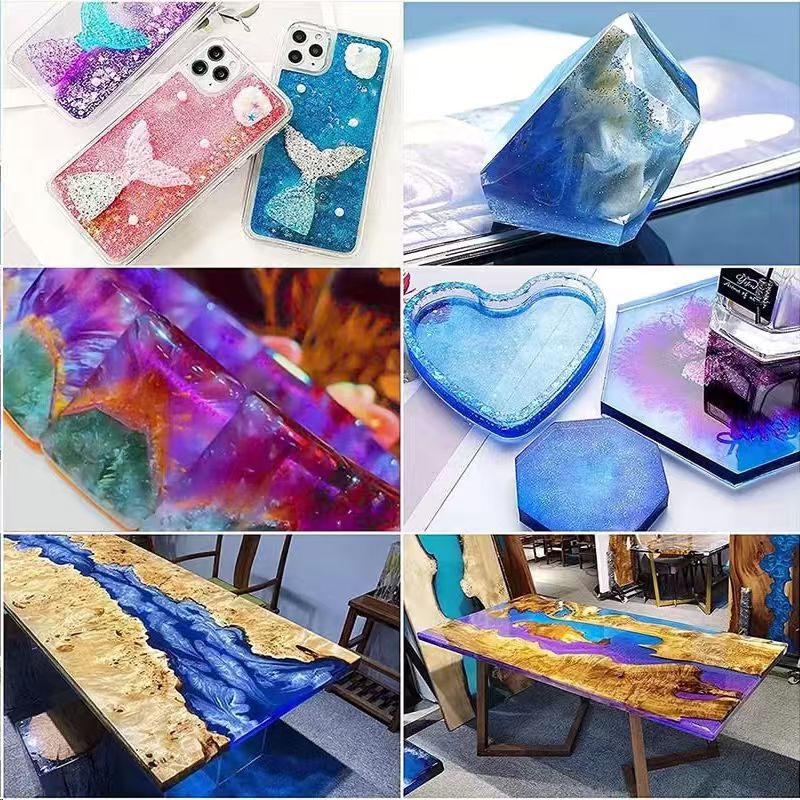
Where to start
Build the selection around the finished system.
Injection-moulded componentsExtruded profiles and sheetsMasterbatch developmentDecorative resin and plastic parts
Product selection & starting guidance
Compare every pigment family.
These are formulation-screen starting points, not product specifications. Final loading depends on grade, binder, substrate, process, film build or part geometry. Confirm with representative trials and the final TDS/SDS.
| Product family | Relevant feature | Indicative starting range | How to use / validate |
|---|---|---|---|
| Mica Pearlescent Pigment | Pearlescent effects for moulded parts, films and resin systems. | 0.2–2.0% in the finished polymer. | Confirm orientation, part thickness and weld-line appearance. |
| Photoluminescent Pigment | Glow effects selected around emission and end-use visibility. | 5–20% in the finished polymer. | Validate melt process, charging conditions, part thickness and afterglow. |
| Reflective Powder | Reflective grades for selected plastic and compound projects. | 5–15% where the system is suitable. | Confirm dispersion, surface finish and final reflectivity on the actual part. |
| Fluorescent Pigment | Bright fluorescent colour; X/K series are catalogued for stated injection-process temperature bands. | 0.1–3.0% in the finished polymer. | Confirm against actual melt temperature and residence time. |
| Metallic Pigment | Gold and copper effects for decorative plastic parts. | 0.5–3.0% in the finished polymer. | Check flow direction, gate position and part geometry. |
| Chameleon Pigment | Colour-travel effects for decorative plastics and resin parts. | 0.5–2.0% in the finished polymer. | Evaluate several viewing angles and representative part geometry. |
Practical workflow
Move from selection to trial.
- 01Share polymer, let-down ratio, processing window and final part thickness.
- 02Use a pilot batch to assess dispersion, flow marks, orientation and colour consistency.
- 03For heat-sensitive effects, verify actual residence time and melt temperature.
- 04Compare moulded parts under normal viewing conditions before setting a specification.
Technical note
Share the variables that affect your result.
For a useful grade recommendation, include substrate, formulation or polymer, application method, target visual effect, processing temperature, expected quantity and destination market.
Next step
Need a pigment plan for your plastics project?
We can help identify an initial product family and route you to the relevant catalogue and technical-document request.